Final Manifesto: The Journey of Forgiveness

For my manifesto, I found the common theme of forgiveness in three of my previous blog posts: Anatomy of a Scene, Tragedy Staged and Scripted, and Ekphrasis. I chose to analyze forgiveness from the movies What We Do in the Shadows and Gimme Shelter, the scene I analyzed from Hamlet, and the photograph Who Will Forgive Me Now? I analyzed to show ekphrasis.

I found forgiveness while watching What We Do in the Shadows. The youngest vampire Nick has to be forgiven by the three original vampires after he exposed their lives as vampires to the whole community of Wellington, leaving them unprotected to humans and therefore vulnerable to being sacrificed (rip petyr). While his forgiveness understandably takes a while, Nick has to show his worthiness to the vampires before he can be forgiven for his actions. Once the group realizes they were better off with Nick in their lives, they eventually forgive him and live happily together. Forgiveness shows up as a small theme in the movie, but it still holds value to act as a great learning moment for the end of the movie’s central characters.

I also found the theme of forgiveness after watching Gimme Shelter. In Gimme Shelter, the bandmates in the Rolling Stones reflect on a terrible incident that happened during their set at the Altamont Speedway benefit concert. The Stones recount a tragic stabbing and the lack of control at the concert, using Hell’s Angels instead of police officers or hired security guards. The band has to learn to forgive whoever insinuated the fight leading to death at the concert. The band also has to learn to forgive Hell’s Angels for not correctly stopping the altercation at the concert venue. Forgiveness can be seen in this movie as a hidden theme because there is very little dialog throughout this film.

The act of forgiveness also occurs in the scene I evaluated in Hamlet: Act III, Scene iii. The act in Hamlet is about Claudius asking God for forgiveness for killing King Hamlet. Hamlet then walks in on Claudius praying to God in the castle chapel. The audience knows Claudius is lying about feeling remorse for his actions, but Hamlet thinks Claudius is acting genuinely. At that moment, Hamlet has the opportunity to avenge his father’s death by killing Claudius but decides that Claudius can’t be killed at that moment because he would immediately go to heaven by praying for forgiveness from God. Forgiveness can be seen as an essential theme for not only this scene, but for the entire play. Forgiveness can prevent many character deaths throughout Hamlet.

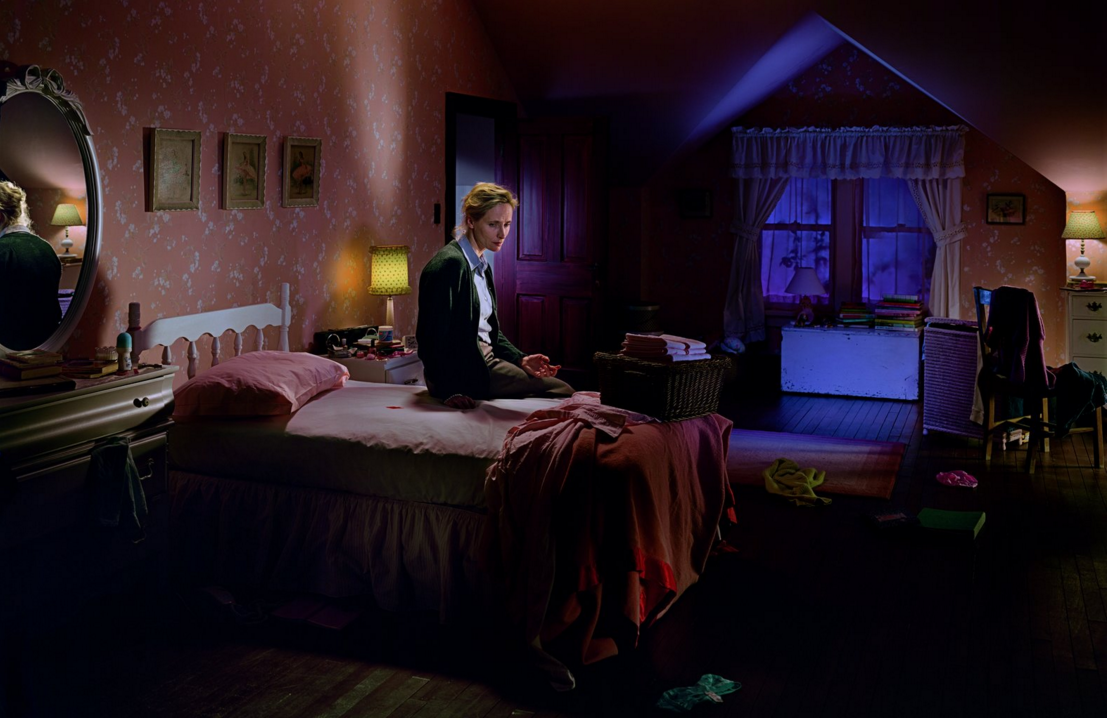
Forgiveness also shows up in my blog post Ekphrasis. The art piece I chose for ekphrasis was a photograph by Gregory Crewdson titled “Who Will Forgive Me Now?”. I wrote that this piece was a representation of a woman asking for forgiveness after she drove everyone in her life, especially her family, away. She sits in her daughter’s empty room asking for forgiveness that nobody will give her. I interpreted that no one will forgive this woman because she most likely did something to drive her possible children and husband away. That is why she is sitting alone in her daughter’s empty, messy room in the dark. Forgiveness is seen as the central theme of this piece of art. The aspect of forgiveness surrounds the main subject in her sad facial expression.

I found the theme of forgiveness among three of my blog posts from this semester’s class. Although it is a common theme among this blog, I do not think forgiveness is a proper representation of my entire blog I’ve created. It can be a good introduction to my blog, but I don’t believe my blog has a strong theme continuing throughout except art. I believe forgiveness does have an impact on me, but it is not the bane of my entire existence. Maybe as I mature, forgiveness will mean more to me than it does right now.
Ekphrasis

Regret. The feeling she felt the most was not pain nor sadness, but regret. She wondered, “Who will forgive me now?” Not her daughter, husband, or any person remotely in her life. A sense of shame poured over her tortured, monstrous soul, just look at her posture on the lonely, empty child-sized bed. The decisions she made to satisfy the thoughts scrambled throughout her brain. The decisions she chose to carry out for the approval of others when ‘others’ don’t exist. The inklings in her brain caused her to grow distant from her own life. From her own husband. From her own child. From her own sense of belonging. From herself. Something took over my body, she rationalized. There are no excuses for the things she did. None. Who will forgive her now? Who?

014-gregory-crewdson-theredlist.png
‘Who Will Forgive Me Now?’ by realism photographer Gregory Crewdson

I chose this visual piece because I remembered that this photographer created eerie yet realistic scenes and I really admired the dedication behind his work. I chose to do a non-traditional poem by explaining in paragraph form what the woman in the picture has done. The piece’s essential details to me are the woman’s posture and facial expression, the nighttime setting, the room she is in and the messiness of the floor. My ‘translation’ preserves the original by stating the woman’s facial expression, the fact she has a child and most likely a family including a husband, and that something traumatic must have happened before the photo was taken. My work attempts to capture the mood and feeling of the original image because I used words such as regret, pain, sadness, etc. I referenced the title of the image and I also included a sense of a twist by adding the element that she could be guilty of doing a heinous act against her family. My ekphrasis brought a new sense of dark emotions and different scenarios to the picture.

Not Seen on TV

I chose to write about the video “Devo, Jocko Homo“. I found this video the most interesting because it clearly states a message but it is being delivered in a funny, parody style way. The video shows a soldier in the beginning explaining to a person with a baby mask that a piece of information from China was once classified but is accessible now. The man speaks about something called ‘de-evolution’, which sounds like adult people beginning to age backwards and act more like children each day. Something else that stood out was the use of medical caps, masks, and sunglasses by extras in the video. This stood out to me because it looked like everyone but the band was trying to avoid devo at all possible costs, but then continue to dance and have fun with the band later on.

This video seems to describe something called devo, which looks like the human mind fully reacting to something unknown and having the body spasm later on. Everything comes together: the baby face masks, the full body morph suits, the behaviors of people’s minds going insane on camera. The message that everyone is ‘devo’ comes across in a clear manner from the beginning. The message that mankind is not evolving and is actually going backwards. This video shows what humans could act like if our mannerisms and social etiquette do not evolve any more.

This video does urge me to see mankind in a new way. It makes me believe that de-evolution could actually be a plausible theory for the end of the world. Devo could actually happen. Even though the song is catchy and quirky, I think the video is what captivates an audience. Showing an unparalleled version of something that could exist in a number of decades is shocking to me. I think this piece expands television’s know how.

Tragedy Scripted and Staged

After reading the script of Shakespeare’s Hamlet, I decided to analyze Act III, Scene iii. This scene really captured my interest because it shows Hamlet questioning his morals of whether to kill Claudius or to wait until a ‘better’ time. This scene also displays Claudius showing remorse for what he had done to his brother by asking for God’s forgiveness.

To me, this scene is pivotal and significant because it shows that Claudius is confessing to King Hamlet’s murder, and is asking for forgiveness from God. Hamlet enters the chapel and finds Claudius kneeling down and praying. This would be the perfect time to kill Claudius and avenge his father’s death, but Hamlet goes back and forth on a decision. Hamlet is stuck. He ultimately decides that killing Claudius would not be worth it because since he is praying, Claudius would immediately go to heaven, which is not Hamlet’s ideal plan. After Hamlet leaves, we learn that Claudius’ prayers were not genuine, meaning Hamlet could have killed him and he would not go immediately to heaven or live in purgatory. If Hamlet had acted out while he had the chance, his plan would have worked and he could have prevented many deaths of his loved ones.

After watching a live adaptation of this scene, I agree with the interpretation. This particular interpretation gave insight into Claudius and Hamlet’s thoughts without the other knowing. The adaptation was nearly word for word of Shakespeare’s original writing. While I read the script, I did not realize how deep Hamlet’s thought process went. I figured he thought it was just the wrong place and the wrong time. I realize it was more than that. He deeply cared for his father and was willing to risk his life and his honor to avenge his father’s gruesome death. The two main characters are brought to life in a seemingly normal way. Although Hamlet was royalty, he seemed to care in a way most portrayed royals don’t. The two don’t seem villainous at all; they seem like they were regular people in a heated feud, although that was not the case. The stage was not used very much in a visual perspective. The stage was bland and dark, not like a chapel is supposed to be. I saw Hamlet to be indecisive in this particular scene. He thought he was doing the right thing by sparing Claudius’ life, but it ended up hurting him in the end.

Anatomy of a Scene

The two films I chose to watch were “Gimme Shelter” and “What We Do in the Shadows”. I will be analyzing a critical scene from Gimme Shelter, so I am going to write a brief synopsis of What We Do in the Shadows, then a brief synopsis of Gimme Shelter.

What We Do in the Shadows, directed by two of the film’s actors Taika Waititi and Jemaine Clement, is a mocumentary-style film about the daily lives of four vampires living in Wellington, New Zealand. After a young human turned vampire named Nick enters their lives, the core group (Vladislav, Viago, Petyr, and Deacon) has more troubles and more fun than ever before. The film mainly focuses on Nick’s entry into his new vampire reality, including Nick bringing his human best friend Stu to live in the flat with them. The vampires (plus Stu) undergo numerous struggles such as not getting into the most hip nightclub, numerous werewolf fights and an attack, and another fight at the Undead Masquerade. In the end, the werewolves bite Stu; Stu acts as the common ground between the vampires and werewolves. The fight between the two groups cease for now.

Gimme Shelter is a documentary drama about the lives of the Rolling Stone’s members during their 1969 tour. All of the group’s members take turns reflecting about the occurrences leading up to a stabbing at their concert at the Altamont Speedway in San Francisco, California. There were many altercations at this free concert, as more than 300,000 people attended, which was way more than expected. There was no sign of any security until Hell’s Angels, a motorcycle club that acts as a crime-fighting gang, showed up. Hell’s Angels also got physical with the crowd. They engaged in fights and threw people off of the stage. This documentary was supposed to he about the music and concert in the Rolling Stones’ 1969 American tour, but it turned into a tragic situation.

I will be analyzing a scene from Gimme Shelter. I chose a long scene that had a girl most likely in her early twenties watching the Stones concert with tears streaming down her eyes. Her tears were not necessarily sad tears or happy tears: they were undistinguished to me. She was crying during a relatively laid back moment during the concert. None of the chaos had started yet. She must have been anxious or had noticed that there were a lot of medical emergencies and dangerous drug use earlier in the day. It took me by surprise that a woman was crying instead of having a good time during the scene. The cuts during this scene were slow and the lighting, like the rest of the concert, had a red hue during the nighttime show, very different to the scenes and lighting just hours before. I believe this scene was some sort of foreshadowing to the fatal attack that would happen moments later.

Photographer’s Eye

The theme for my photo series is called “Features of my House”. I chose this theme because I thought my house has a lot of features with neutral colors and unique textures integrated. I originally wanted to choose “Living in FL” as my theme, but I wanted something different than the standard beach photos.

Preview attachment image1.jpegimage1.jpeg5.1 MB

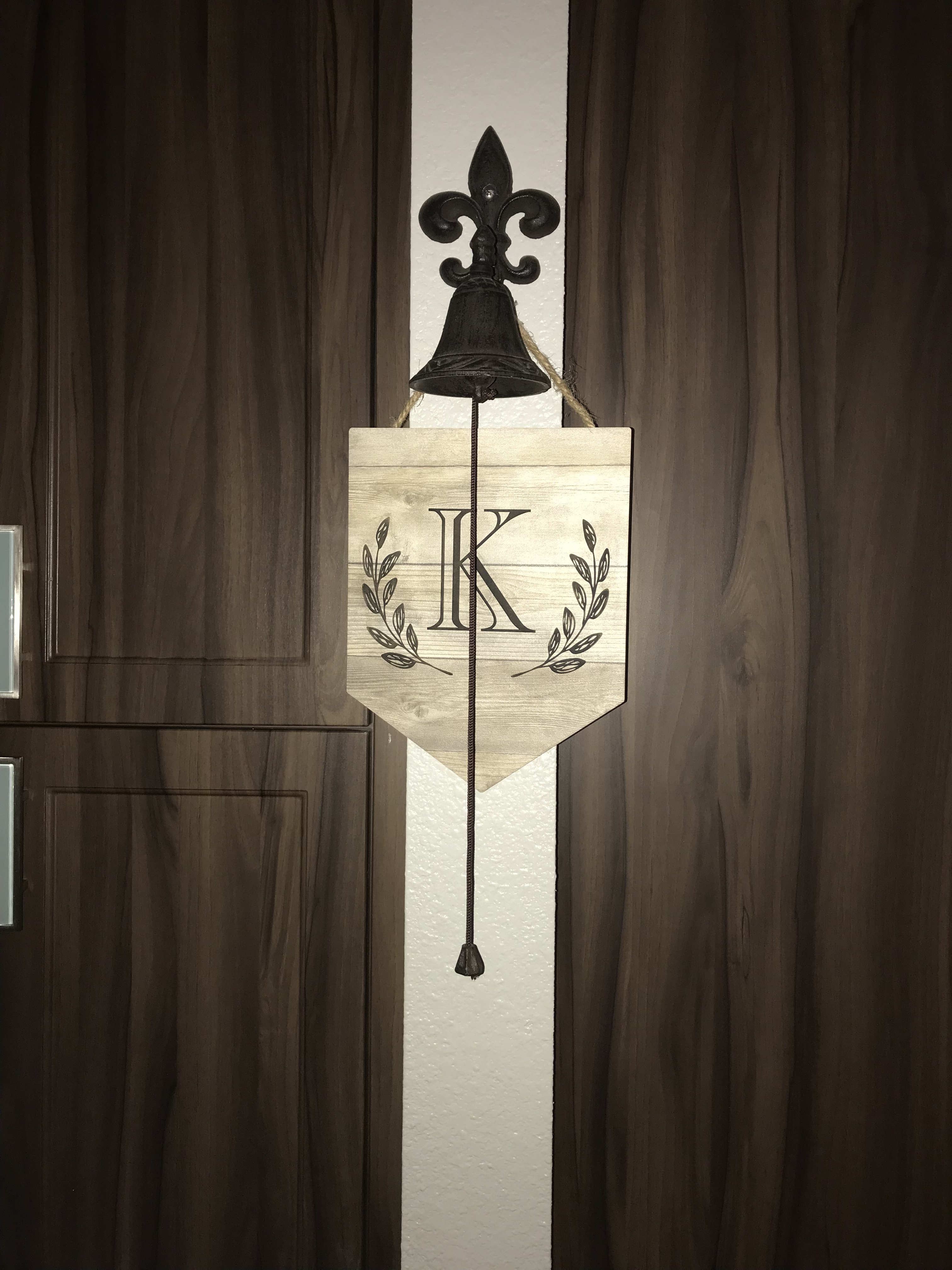
Photo #1 – The Dinner Bell – is a bell that is installed in my hallway, between the ovens and the pantry cabinets. My parents decided to put a bell in our house when our kitchen was recently renovated. The bell does indeed work, and it is one of the loudest sounds on the Earth when I am sleeping.

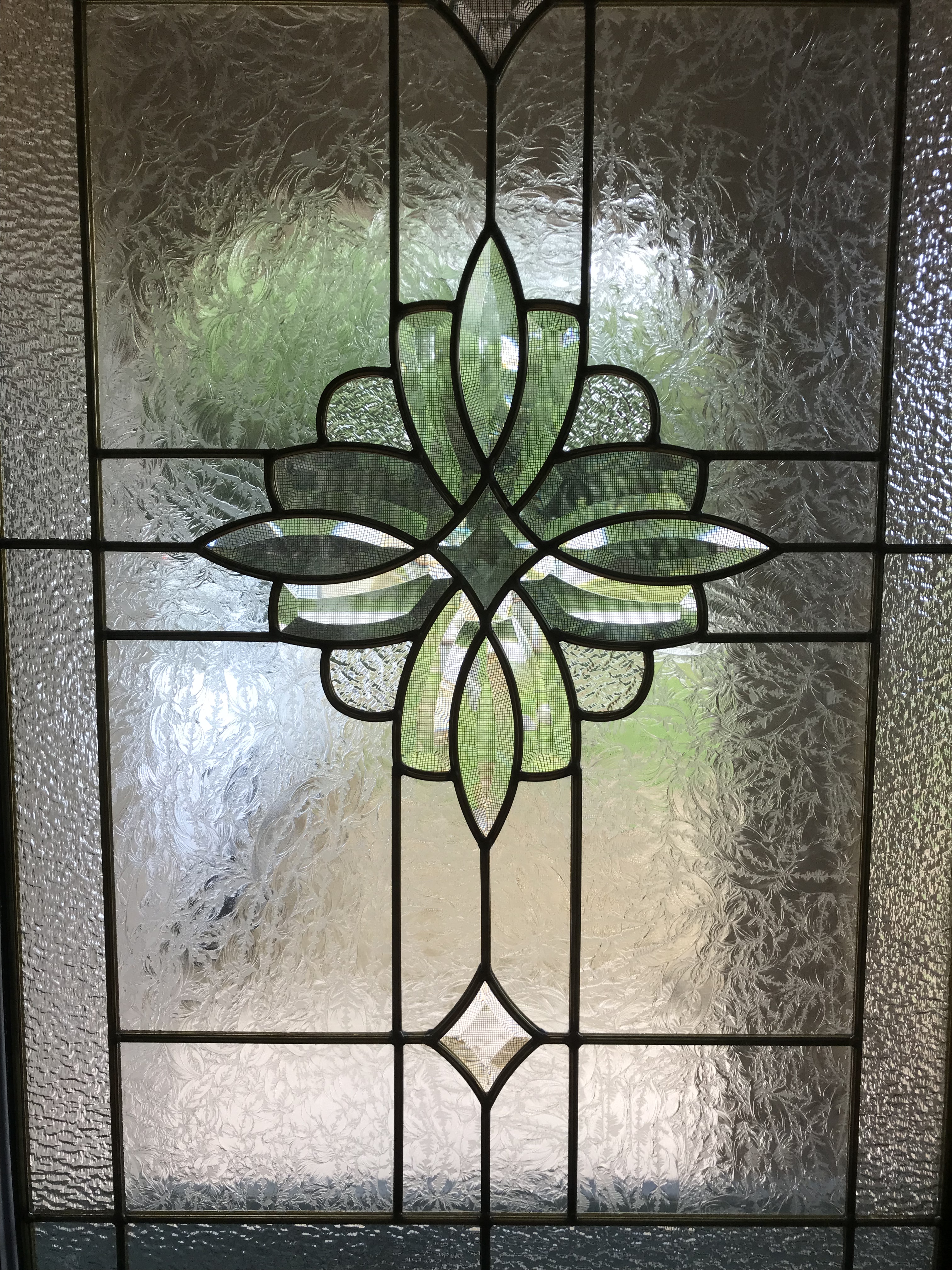
Photo #2 – The Front Door – is the design that is featured on my front door. People cannot see through this tempered piece of glass. I like this central piece of design because it is one of the first elements of my house’s aesthetic right when you walk through the door.

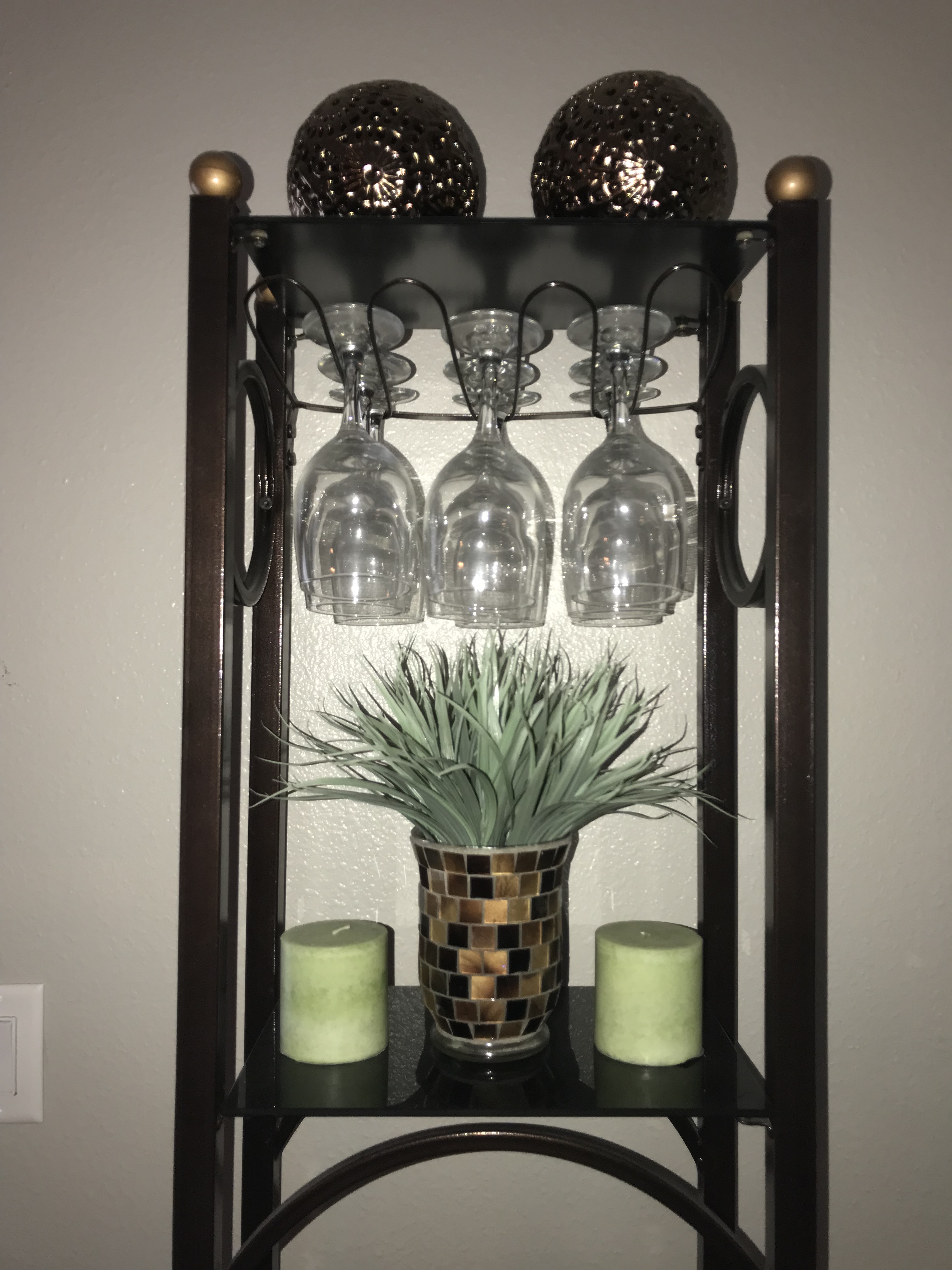
Photo #3 – The Wine Rack – is another central piece of design that my parents received over a holiday. It is also one of my mom’s favorite storage spaces throughout my house. The brown and coppery elements tie in with the rest of the area’s tones. The plant also adds a sense of nature and earth brought into the home.

Photo #4 – The Leafy Bush – is a piece of landscaping that is all around my house. I especially like this photo because the texture of the leaves paired with the collection of stones gives me a sense of comfort, welcoming me into my home with a smile.

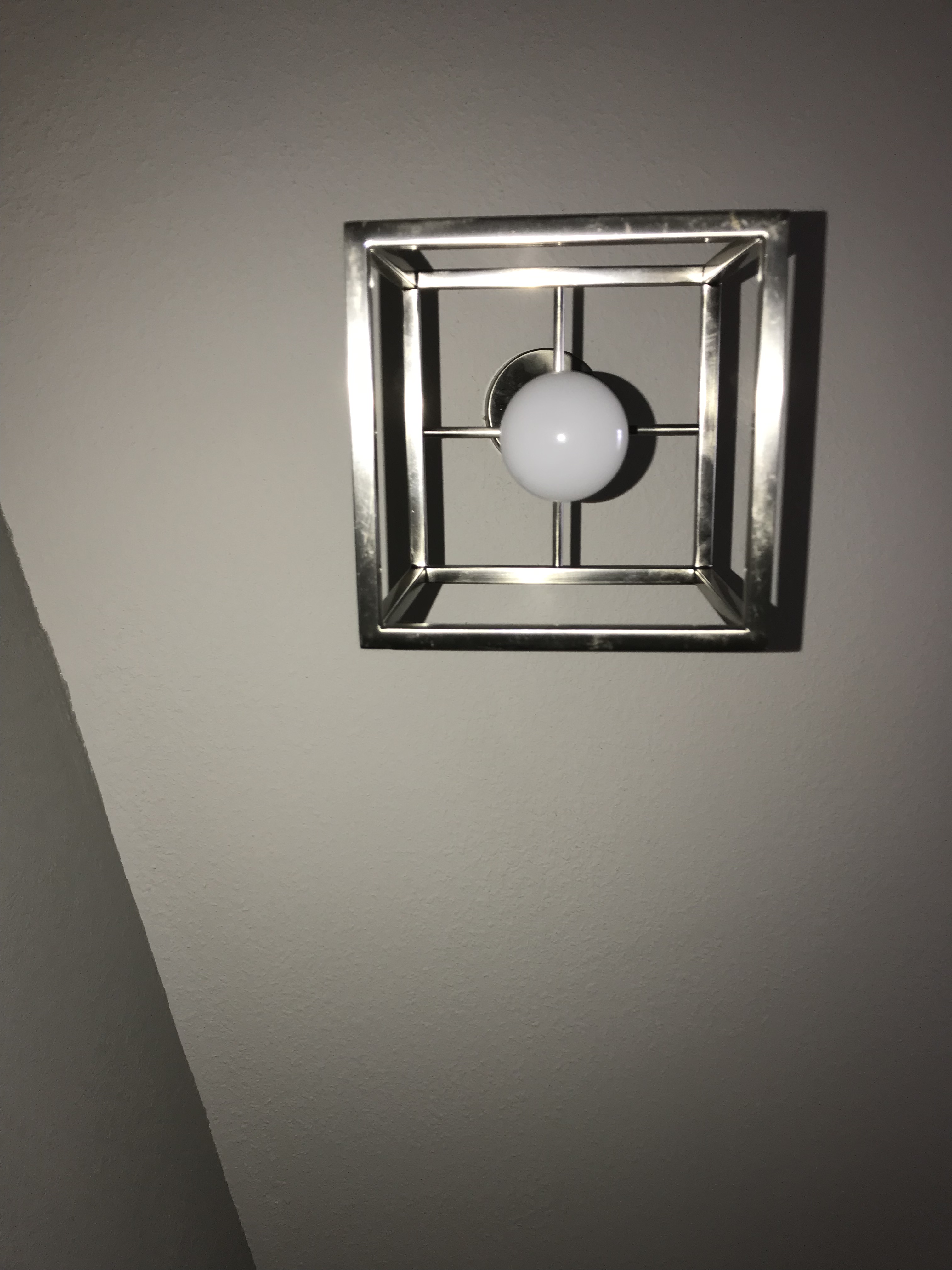
Photo #5 – The Hall Light – is a design choice that I actually picked out during the renovation. I chose this photo for my photo series, even though it might not have the same overarching theme of the brown and tan colors. I chose this design element because I think the shiny metal pairs well with some of the more natural pieces included within this series.

Photo #6 – The Patio Flooring – is what the title is. I chose this patio flooring because it fits within the theme of natural, beautiful textures featured around my house.

To wrap it up, the unifying idea for this photo series is natural colors and fun textures around my house. I believe the photos I took go well with the theme and tie the theme to a close. I had fun with this assignment!

My Musical Theme

Above is my playlist for my musical theme, which is friendship. I chose friendship because I remembered at least two songs off the top of my head with “friend” in the title, but it became more meaningful after researching each song. Learning how other artists sing about companionship makes my friend selection feel solid and can last a lifetime.

Song number one is “Best Friend” by Rex Orange County. The song falls under the alternative/indie genre and starts with a slower tempo and builds up over time. The song has a degree of consonance throughout the song. I would say there is a small amount of dissonance right at the end, where the song turns back into a slower tempo. This piece’s structure is the repeating chorus and trumpet theme. I believe this piece invokes a feeling of content and longing to keep a friend.

The next song is “You’re My Best Friend” by Queen. The song is under the rock category. This has a great degree of consonance throughout the song. The song has a mellow, medium-paced tempo with a great melody. The structure is made up of some lines, such as “You make me live”, and the titular “You’re my best friend”. No dissonance is evident to me in this particular song. This piece invokes a peaceful and reassuring feeling.

Next, the song “You’ve Got a Friend in Me” by Randy Newman falls under the category of Children’s Music (since it was featured in Toy Story), but I believe it to have a soulful feel. The song has a medium-paced tempo with great melody featuring specific instruments. This song also has nice consonance with the jazzy solos between lyrics. This song also feels reassuring and inviting to the listener.

The next song is “Thank You for Being a Friend” by Andrew Gold, and is most remembered as the theme song for the Golden Girls. This song has an upbeat tempo, featuring fast-playing piano notes. The song falls under the Pop category. This song features a great melody that is easy to keep up with. There is also a great amount of consonance with this song, with a tiny bit of dissonance when the guitar, drums, and background vocalists enter the song. This song from the playlist gives me the happiest vibe against all of the others.

The next song is by Brandy and is called “Best Friend”. It is a Contemporary R&B song. The tempo is a bit slower than the last song, but the beats with the melody are a great addition to this hit. This song includes consonance with harmony following the background vocalists with the lead singer. The lead keeps great timing with the beat and structure of the song. This song gives me a feeling of bopping along in a shopping mall or coffee shop.

The final song of my Musical Theme playlist is “Friends” by The Beach Boys. This pop song also features instruments that have not been focused on in other songs, such as the harmonica. The harmonica makes the song have a little bit of dissonance, as the instrument sounds a bit harsh mixed with the breezy style of The Beach Boys. This song gives me a feeling of comfort and an out-of-the-box feeling when listening.

Plotting

Today was my first day of school. Normally, the first day of school is always uneventful. Getting to know my surroundings, learning teacher’s names, stuff like that was on my plate for the day. But my first day of school was during the middle of the year. In a new place. With people that didn’t know me. I like to be the one who hides in the shadows, but I stick out like a sore thumb on this particular first day of school. It turns out that this school had uniforms, and lucky me! My uniform had not arrived yet. And I wore one of my loudest outfit choices. So, I got called out by professors and students alike for being “the new girl”. Little did I know that “new girl” would be my nickname for the remainder of the school year. Thanks to my mother and father for moving to a new city so I can be remembered as “the new girl” virtually forever. As if my new nickname wasn’t embarrassing enough, I tripped and fell right into someone’s lunch today. It is NOT my day today. Luckily, the person whose lunch I clumsily fell into was a very nice boy. After a few weeks, he immediately turned out to be my best friend in the new city. That year was not such a sucky year after all, with the help of my new friend.

Exposition: First day of school in a new city

Foreshadowing: The words “Normally” and “But” indicate something bad will happen

Rising Action: Being new in the school

Climax: Being embarrassing without a uniform and falling into someone’s lunch

Falling Action: Becoming friends with the person whose lunch I fell into

Resolution: Accepting that I am “the new girl” in the city

Poetic License

The poem I chose from PoetryFoundation’s search is “Candles” by Carl Dennis. The general synopsis of this poem is to imagine lighting a candle for someone you could have connected with in some way, whether it be your grandmother who passed away, or to honor someone who was a missed connection to her; to wonder how things could have been different if one simple action, like clearing a shard of glass out of a gravel pathway, was never completed.

This poem has a central image of the author’s grandmother as a young lady, nearly stepping on a green piece of glass barefoot. As she strolls along the gravel path, a man cleans the pieces of glass out of her way. If she had stepped on the glass shard, everything would have been different. She would not have met her best friend Helen, whose brother George would help the author’s grandfather with a loan on his shop, which keeps the author’s father in school, who inspires the author with his love of learning. If things were different, the author would not have written this very poem honoring the things that take a moment to wonder about.

This narrative poem does not use similes or metaphors but uses image-filled vocabulary. Almost every line has some sort of movement and story going on within the poem. My poem does not involve consonance or assonance. The poem does have a narrator, which I believe to be Dennis himself, but the poem can relate to many people so anyone could be the narrator of this story. I believe the main theme or takeaway of this poem is to reflect on the small things in life that could make a big impact, and to remember and honor the missed connections and beautiful stories shared between generations.

https://www.poetryfoundation.org/poetrymagazine/poems/41455/candles

Architectural Interiors

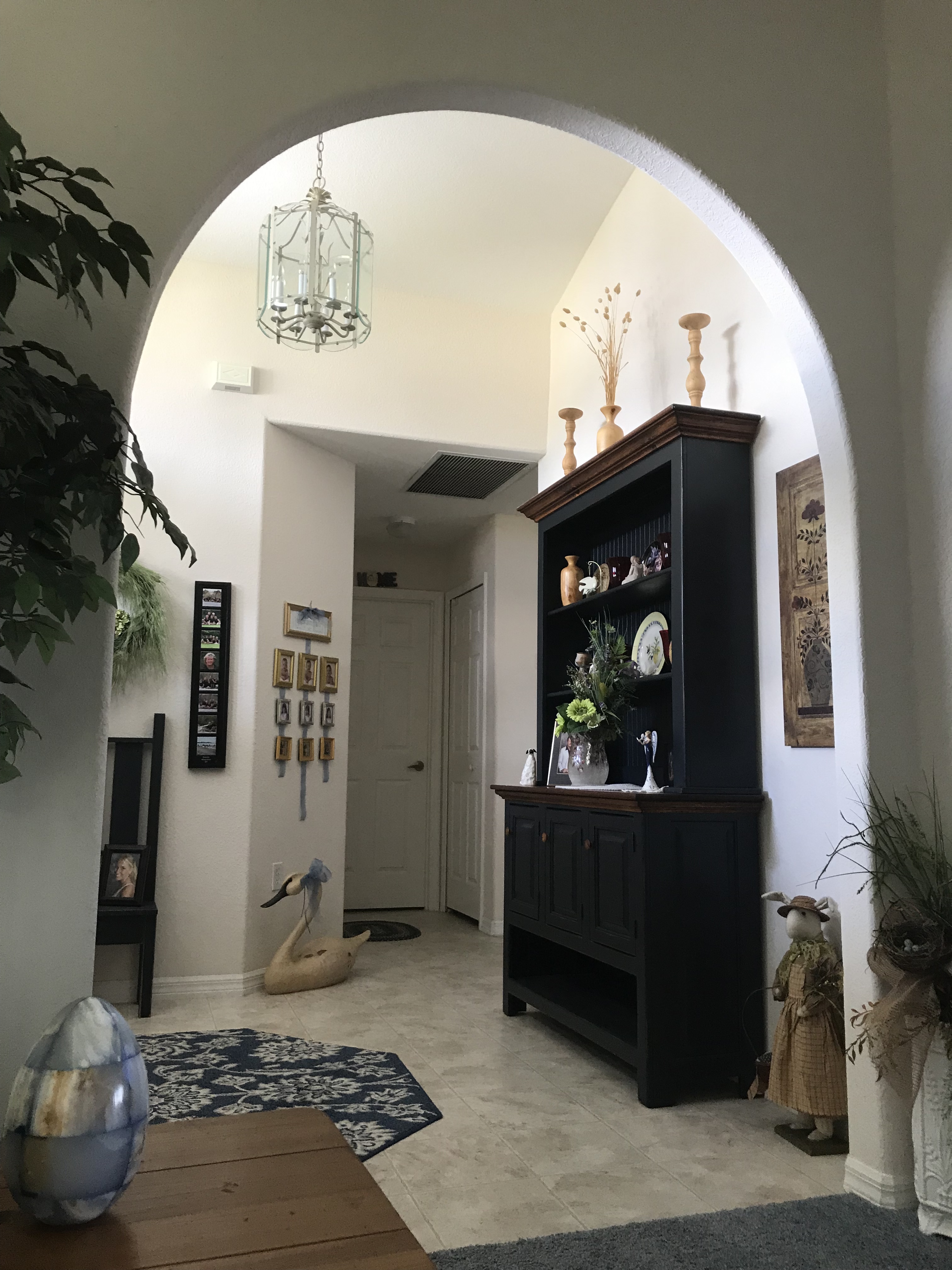
The first piece of domestic architecture I chose was an entryway from the front door into the living room of my grandmother’s house. The space includes an arch that divides the two rooms, although the space feels open. The space also includes some homely decorations, such as a chandelier, family photos, a houseplant, and a rug among other items. The space serves its function as a domestic space because it is the first impression of her house that visitors get to see. It does feel welcoming and bright, and it feels unique even without its decorations and furnishings. I don’t think the space needs any sort of changes or updating. The room is a great way to get a feel for the rest of the home’s appearance and floor plan.

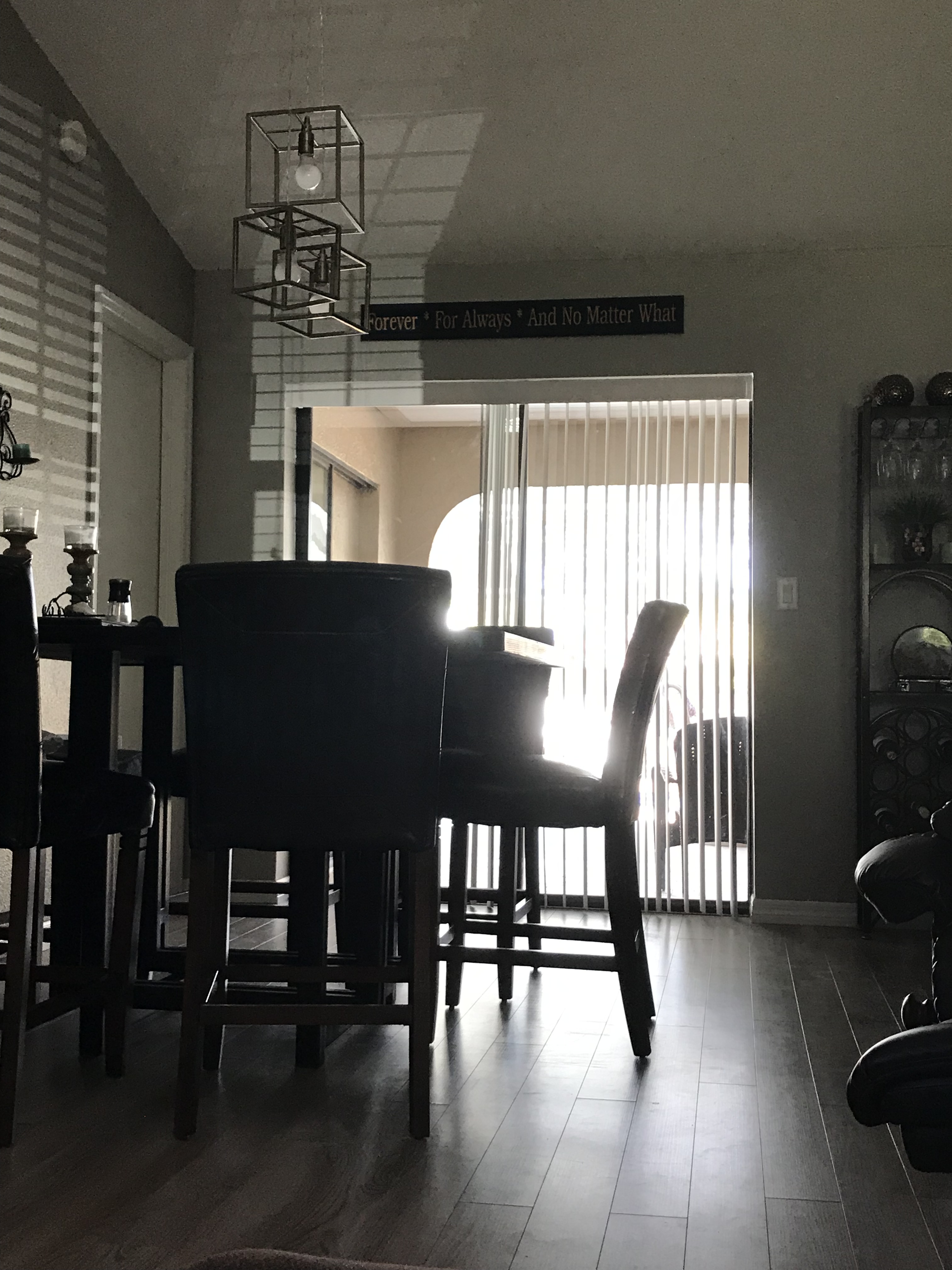
A different space that I enjoy inhabiting regularly is my dining room. Compared to the other space above, this space has a more open structure and is darker in terms of design in comparison. The space’s function is for my family and me to eat our meals, socialize, or to use the table for work. Since it is at the center of my home, the dining room table is a great place to just sit and talk. At times, the space can become crowded as more people stay in it. I don’t prefer one space over the other, but I do utilize the function of the dining room over the entryway. I enjoy residing in both rooms and they simply achieve their goals in different ways.